

After a long, tiring afternoon at your office desk, you are standing in front of the open refrigerator. Your head is full of deadlines for tomorrow, your chest is a little tight, and you instinctively reach for a sugary snack or a dynamic energy drink to get you through the evening. So many hard-working people turn to comfort foods when they are just plain overwhelmed by everyday life. But some grocery choices can actually make your nervous system feel more jittery and unsettled than ever.
Learning how your everyday food affects your emotional well-being is a very empowering step in protecting your lifelong health. But from your kitchen table you can turn down your internal alarm system by deliberately adding some foods that reduce anxiety. The saying “you are what you eat” is more important than you think. Eating for mental clarity is a very effective natural way to support your psychological strength.
In this comprehensive guide, we will discuss 10 tasty, nutrient-dense ingredients that are scientifically proven to reduce emotional tension and brighten your outlook. You will learn the direct link between your gut and your daily emotional reactions. And lastly, you will walk away with a practical, easy-to-use meal planning routine that will leave you feeling grounded, balanced, and totally peaceful.
What Is Nutritional Psychiatry?
Nutritional psychiatry is an emerging field in healthcare that looks at how food impacts mental health. For centuries, traditional medicine has separated the mind and physical body into two distinct systems. Experts now know that your brain and your gut are always talking to each other along a major highway of communication called the vagus nerve.
To easily understand this connection now, think of your brain as a high-end sports car that needs good fuel to run smoothly. When your body receives highly processed ingredients, refined sugars, and artificial chemicals, it can ignite chemical inflammation in your internal engines. According to dietary research shared by the American Psychological Association, diets that trigger internal inflammation can greatly interfere with the production of happy brain messengers.
Your gut actually produces more than 90 percent of the serotonin in your body, the key chemical that helps keep your mood stable and happy. You are putting clean, whole ingredients into your digestive tract and literally fueling the biological factories that create your mental peace. You can improve your mood naturally through diet without adding unnecessary stress to your schedule.
Signs and Symptoms
Without the nutrients needed for your brain, your central nervous system can become extremely sensitive. Here is a handy list of some of the typical physical and mental signs that indicate your daily eating habits may be endangering you for emotional issues:
- Sudden Energy Crashes: You feel a sharp drop in your physical stamina and focus roughly two hours after consuming a heavy, sugary lunch.
- Persistent Internal Jitteriness: Your mind feels highly unsettled, frantic, and overreactive during normal workplace challenges.
- Frequent Late-Night Worries: You find yourself lying awake at night over-analyzing minor events instead of drifting off to sleep.
- Regular Stomach Discomfort: Your digestive tract regularly feels bloated, crampy, or unsettled during hectic workweeks.
- Intense Sugar Cravings: You experience a strong, urgent need to consume sweet treats or baked goods when you feel emotionally drained.
- Brain Fog and Forgetfulness: You find it incredibly difficult to concentrate on basic reading tasks or remember simple daily details.
- Uncomfortable Heart Palpitations: Your heart occasionally thumps rapidly inside your chest after you consume excessive morning caffeine.
- Chronic Muscle Stiffness: Your upper shoulders, neck, and jaw feel stiff and sore from carrying unmanaged internal pressure.
Exploring Key Foods That Reduce Anxiety Safely
Tweaking your shopping list is a great way to build a solid defense against daily stress loops. These five main whole foods are packed with important vitamins and minerals that work directly on your physical wellness.

1. Leafy Green Vegetables
Spinach, Kale and Swiss chard are all vegetables that are very high in a natural mineral called magnesium. Magnesium is a soft brake pad for your nervous system; it prevents your brain from spewing out too many stress chemicals. If you don’t get enough magnesium, you can become more physically tense and restless. A good handful of fresh greens added to your dinner plate helps keep your internal alarm system resting at a peaceful baseline.
2. Fatty Cold-Water Fish
Wild-caught salmon, mackerel and sardines are loaded with omega-3 fatty acids. These good fats are building blocks for your brain cells, helping to keep the outer membranes soft, flexible and healthy. Omega 3’s are good at reducing chemical inflammation throughout your entire circulatory system. This makes the flow of your thoughts much easier. Research has found that individuals with high amounts of these healthy fats report a dramatic reduction in sudden feelings of panic.
3. Fermented Dairy and Vegetables
Ingredients such as Greek yogurt, kefir, sauerkraut and kimchi all have millions of live, beneficial bacteria known as probiotics. When you eat these fermented foods , you are introducing a whole host of friendly bacteria into your gut . These little guys work around the clock, cleaning out your gut lining and helping your body produce mood-stabilizing brain chemicals. A healthy balanced gut environment reduces the frantic signals sent up to your brain.
4. Organic Whole Eggs
Eggs are an excellent source of high quality protein, and contain a special compound called choline. Your brain makes use of choline extensively to produce acetylcholine, a neurotransmitter that controls your memory and mood. Eggs are also a great source of many B vitamins that help your body turn everyday meals into steady, long-term energy. Two boiled eggs in the morning will prevent the sudden blood sugar drops that trigger survival panic.
5. Raw Pumpkin Seeds
Pumpkin seeds are an absolute powerhouse when it comes to zinc and a calming amino acid called tryptophan. Tryptophan is the building block your brain needs to create serotonin and melatonin, the 2 chemicals that regulate relaxation and deep sleep. Zinc is also very important for proper brain development and plays a role in regulating how your nervous system responds to sudden pressure from the environment. Keep a small bag of these seeds at your desk for a quick healthy snack in your intense corporate meetings.
Five Additional Mood-Boosting Ingredients for Daily Meals
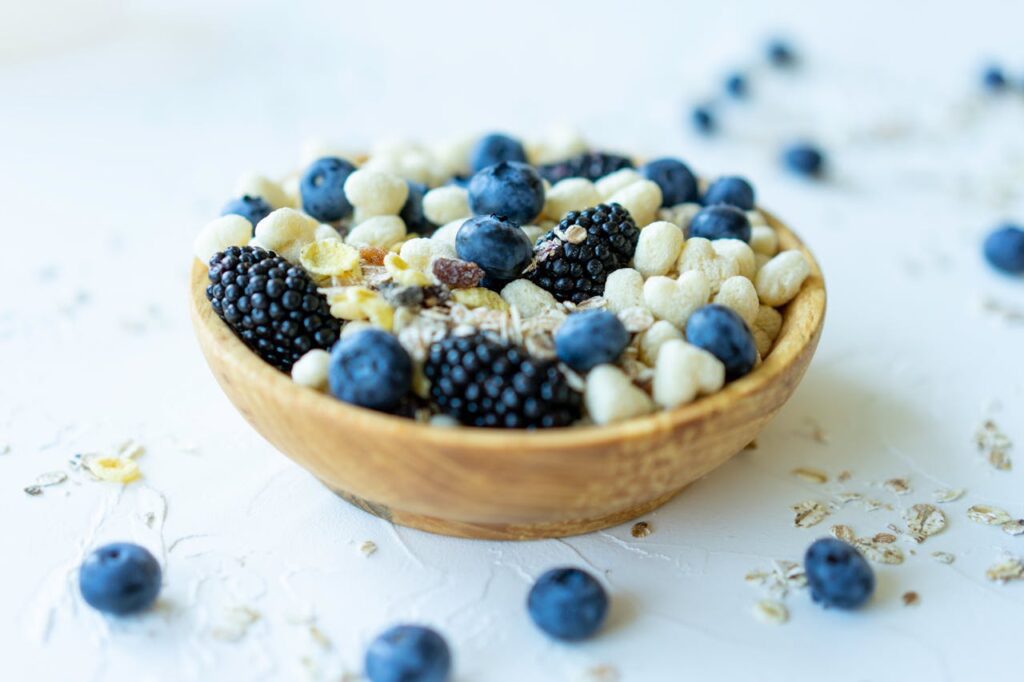
Eating a wider variety of foods means you’re feeding your brain a steady stream of protective antioxidants. These next five grocery items complement your primary choices perfectly to strengthen your emotional stability.
6. Blueberries and Blackberries
The bright, beautiful colors you see in berries come from a group of powerful antioxidants called anthocyanins. These compounds help shield your brain tissues from oxidative stress that builds up when you’re under prolonged career stress. Berries are also very high in vitamin C, which helps your adrenal glands regulate the production of cortisol. Toss a handful of fresh berries into your breakfast bowl to keep your cognitive centres running clean and efficient.
7. Fermented Dark Chocolate
High-quality dark chocolate with at least 70 percent cocoa is rich in plant compounds called flavonoids. Flavonoids relax your blood vessels so that fresh oxygen-rich blood can flow freely to your brain cells. Dark chocolate also causes the release of endorphins, your body’s natural painkillers and happiness chemicals. A square of dark chocolate after dinner takes care of your sweet tooth and soothes your physical body.
8. Earthy Turmeric Spice
Turmeric contains a deeply healing, active ingredient known as curcumin, which is what gives the spice its signature golden hue. Curcumin is greatly praised in the nutritional medicine world for its ability to cross the blood-brain barrier and shut off inflammatory pathways. Counteracting internal inflammation is an important way to protect your neural networks from the wear and tear of chronic worry. Add a pinch of black pepper to turmeric to increase the absorption of this protective spice by as much as 2000 percent in your body.
9. Crunchy Whole Almonds
Almonds are a great source of vitamin E, which is a fat-soluble antioxidant that protects your brain cells from breaking down. They also offer a great combination of healthy fats, fiber and plant-based protein that takes time for your stomach to digest. Because it takes longer to digest, it gives your body a steady, reliable supply of energy over a period of hours. Snack on almonds as they can help you avoid sudden hunger pangs which make you feel weak, lightheaded and anxious.
10. Warm Chamomile Tea
Drinking a warm mug of chamomile tea is an age-old way of telling your body that you are no longer working. Chamomile has a plant antioxidant unique to it called apigenin, which binds directly to certain relaxation receptors in your brain. This natural connection is like a soft, comforting blanket for your thoughts, helping to soothe muscle tension and quiet a busy mind. A hot cup of tea makes a peaceful evening boundary, preparing your mind for a night of deep rest.
The Chemistry of Balanced Blood Sugar Levels
When you look at the biological causes of unexpected panic, you can quickly see that your emotional stability is directly tied to your blood sugar. If you eat highly refined carbohydrates like white bread, pastries, or sweet soda, your glucose levels spike fast. Your pancreas reacts to the sudden surge by dumping a huge wave of insulin into your system to flush the sugar out.
This makes your blood sugar levels plummet and causes a temporary energy crisis in your brain. Your survival brain interprets that sharp drop as a dangerous emergency and immediately releases adrenaline to force your liver to release stored sugars.
The jolt of adrenaline in an emergency is why you might feel shaky, dizzy, and panicked after eating a sugary snack. You eat whole, unprocessed foods that are high in fiber and clean protein to keep your glucose levels moving in a smooth, gentle wave. Your brain will be constantly fueled, and so you won’t need sudden bursts of adrenaline, and your mood will remain perfectly even.
Simple Habits to Master Your Everyday Nutrition
You don’t have to spend one afternoon turning your whole life upside down and relearning your grocery habits. Trying to follow a strict, complicated diet plan can quickly lead to much unnecessary stress and frustration. Instead, focus on making modest, sustainable modifications to your day-to-day eats that you can maintain over time.
If you’re feeling totally overwhelmed by meal prep, just try adding an extra serving of green vegetables to your usual dinner routine. Don’t see your dietary changes as a restriction but as a beautiful self-care act for your mind.
- Plan your meals ahead: Spend 15 minutes planning out your lunches on Sunday afternoon so you don’t end up ordering fast food during a busy workday.
- Keep healthy snacks handy: Put a small jar of almonds or pumpkin seeds in your desk drawer to keep you fueled through long meetings.
- Stay well hydrated: Ensure you drink plenty of pure water during your shift. Mild dehydration can feel like the physical sensations of panic.
With a little patience and a little daily practice, your taste buds will come to enjoy the clean, rich flavors of whole food over time. You will gradually build a lifestyle that supports your physical vitality and your internal peace.
Practical Tips to Start Today
You can easily jumpstart your mood-boosting nutritional routine by practicing these eight actionable daily habits:
- Upgrade your morning breakfast: Swap out sugary cereal for a warm bowl of oatmeal topped with fresh blueberries and pumpkin seeds.
- Carry a reusable bottle: Keep a large container of water at your desk and sip from it consistently to support your brain cells.
- Incorporate fermented foods: Add a spoonful of fresh sauerkraut to your lunchtime sandwich or enjoy a cup of Greek yogurt.
- Choose a smart afternoon Snack: Replace your second cup of sweet coffee with a handful of raw almonds and a square of dark chocolate.
- Cook with golden spices: Toss roasted vegetables or chicken breast in olive oil, golden turmeric, and black pepper before baking.
- Build a green foundation: Try to ensure that at least half of your dinner plate is filled with fresh, leafy green vegetables.
- Create a peaceful tea ritual: Brew a warm mug of organic chamomile tea one hour before bed to wind down your nervous system.
- Track your emotional responses: Keep a simple food journal for one week to notice how specific meals influence your daily focus.
When to Seek Professional Help
Respecting your emotional boundaries is a beautiful indicator of personal strength, and you don’t have to walk this path by yourself; always remember that. Changing up your daily nutrition is an amazing way to support your system, but dietary changes are not an overnight cure for severe mental health challenges. If racing thoughts, low mood, or physical panic are making it difficult to work or maintain relationships, expert care can help.
A licensed counselor or registered dietitian can help you develop personalized coping skills and eating plans to meet your specific lifestyle. You can begin this wellness journey by talking openly with your regular family doctor or checking out convenient virtual therapy spaces like BetterHelp.
Frequently Asked Questions
You can find some physical calm in a matter of days, but the restoration of your gut health will take longer. Within three to four weeks of consistent, whole-food eating, most people see a noticeable improvement in their mental clarity and daily energy levels.
Yes. When you eat a lot of highly processed and sugary foods, your body produces inflammatory chemicals called cytokines. This ongoing cellular stress can harm your brain pathways and over time diminish your ability to manage your everyday mood.
Not at all. Just eating more whole foods instead of processed foods, you’re going to get great results. Buying traditional frozen berries, canned wild salmon, bulk bags of seeds is a dirt cheap way to feed your mind.
Energy drinks mix big doses of caffeine with big amounts of refined sugar, which jolts your central nervous system. This combination gets your heart racing and your body is flooded with an adrenaline rush that feels just like an impending panic attack.
Conclusion
You can absolutely grow your life-long emotional health by choosing nutrient-dense foods, balancing your blood sugar day-to-day, and establishing sustainable kitchen habits. Here are the top 3 takeaways: Your gut health controls your serotonin production, steady glucose levels prevent adrenaline spikes, and antioxidants shield your brain from inflammation. Including these delicious, anxiety lowering, protective foods in your diet can simply protect your mind from burnout.
As you learn to feed your body with kindness, there is a beautiful bounty of energy, clarity, and real fulfillment waiting for you. Be super proud of yourself for exploring new ways to tend to your psychological well-being today.