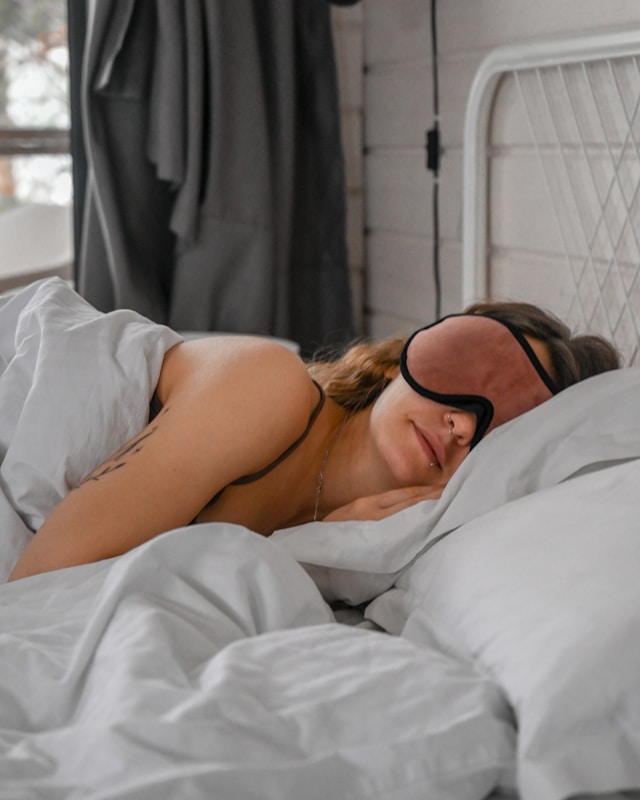
It is 2:00 AM on a quiet Tuesday night in your home. You are tucked beneath your warm duvet, desperate to rest because you have an important early morning meeting at your workplace tomorrow. Yet, the moment your head touches the pillow, your brain decides to replay every awkward interaction from five years ago while generating worst-case scenarios about your future. Your heart beats faster, your muscles tighten, and the clock keeps ticking toward dawn.
If this frustrating nighttime struggle sounds all too familiar, please know that you are not alone in this fight. Learning how to fall asleep with anxiety is an essential skill that can break this exhausting cycle and restore your peace of mind. Nighttime panic tricks your body into staying awake, but you can learn simple ways to gently guide your mind back to sleep.
In this warm and practical guide, we will break down why your nervous system wakes up when the room goes dark. You will discover how nighttime stress impacts your body, along with twelve science-backed tools to quiet your racing thoughts. Most importantly, you will learn how to turn your bedroom back into a peaceful sanctuary where rest comes easily.
What Is Sleep Anxiety?
To fix your nighttime restlessness, we must first define sleep anxiety in simple, plain English without confusing medical jargon. Sleep anxiety is a heightened state of worry, nervousness, or physical fear that happens right before bed or when you wake up in the middle of the night. It turns the peaceful act of going to sleep into a stressful performance test that feels impossible to pass.
Think of your body like a household security system that guards you while you rest. When you struggle with nighttime worry, your security alarm becomes far too sensitive, treating tiny noises, shadows, or even quiet thoughts like an intruder breaking through the front door.
According to health guidelines published by the Mayo Clinic, sleep anxiety creates a frustrating feedback loop that disrupts your body’s natural clock (Mayo Clinic, 2024). You worry about not sleeping, which releases stress hormones that keep you awake, proving your initial fear right. Recognizing that this process is a physical reflex rather than a personal failure is the first step toward breaking the cycle.
Signs and Symptoms
When nighttime panic takes over your bedroom, your mind and body send clear warnings. Here is a scannable list of common signs that indicate your nighttime worries are disrupting your sleep:
- Racing and Intrusive Thoughts: Your mind jumps quickly from one worry to another the second you turn off your bedroom light.
- Rapid Heartbeat at Night: You feel your heart pounding against your ribs or in your chest as soon as you lie down on your mattress.
- Inability to Stay Still: Your legs feel restless, forcing you to toss, turn, and adjust your blankets constantly without finding comfort.
- Shallow and Restless Breathing: You breathe rapidly through your chest instead of taking slow, deep belly breaths.
- Frequent Middle-of-the-Night Waking: You wake up suddenly around 3:00 AM with a sudden rush of dread and struggle to fall back asleep.
- Persistent Muscle Tightness: Your shoulders, back, or jaw remain clenched tightly while you try to relax beneath your sheets.
- Obsessive Clock-Watching Habits: You constantly check your phone or alarm clock to calculate how many hours of sleep you have left before morning.
- Gastrointestinal Distress at Bedtime: You feel a nervous knot, nausea, or cramping in your stomach as your bedtime approaches.
The Nighttime Stress Cascade: Why the Brain Wakes Up in the Dark
Many working adults across the USA and UK wonder why their stress levels spike the moment they get into bed. During a busy workday filled with emails, errands, and conversations, your mind stays fully occupied by external tasks. However, when you turn off the lights and put down your smartphone, all those distractions disappear, leaving you alone with your thoughts.
According to public health data shared by the Centers for Disease Control and Prevention (CDC), millions of adults experience sleep disruptions linked to chronic daily stress (CDC, 2024). When your brain perceives the silence of your dark room as uncomfortable, an almond-shaped survival hub called the amygdala activates your body’s threat center.
This threat center misinterprets your quiet thoughts as a physical threat and floods your bloodstream with stress hormones like cortisol and adrenaline. These chemicals increase your core body temperature, raise your blood glucose levels, and sharpen your alertness when you need to rest. By understanding this biological cascade, you can stop fighting your body and use physical relaxation habits to calm your system down.
The Sleep Architecture Connection: How Anxiety Disrupts REST
To recover from chronic nighttime worry, you need to understand how stress alters your sleep architecture. Sleep architecture refers to the natural stages your brain cycles through every night, moving from light sleep to deep physical repair and vivid REM dreaming. A healthy night of sleep consists of four to six of these complete cycles.
Research articles published by the American Psychological Association (APA) explain that elevated cortisol levels disrupt the natural progression of these restorative stages (APA, 2025). High stress keeps your brain trapped in light, fragmented sleep, preventing you from reaching the deep stage needed to restore your physical energy.
When stress disrupts your REM sleep, your brain loses its primary way to process emotions from the day. This leaves your nervous system sensitive, irritable, and vulnerable to more worry the following night. Rebuilding healthy sleep habits allows your brain to complete its nightly repair process without interruption.
12 Science-Backed Tips to Fall Asleep with Anxiety
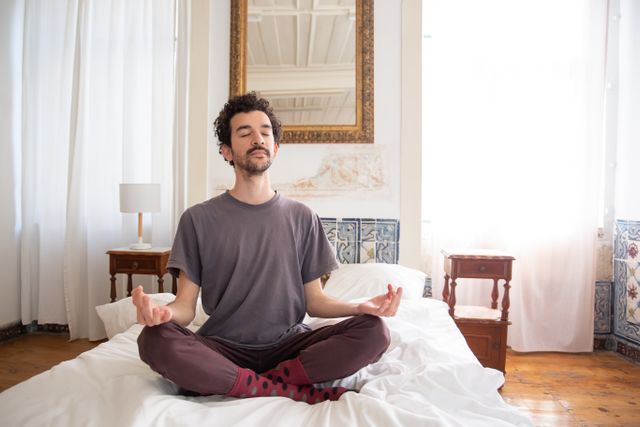
Restoring peaceful sleep requires a balanced strategy that soothes your nervous system and calms your thoughts. Here are twelve practical, science-backed habits you can use to fall asleep quickly tonight:
1. Practice the 4-7-8 Breathing Method
Slow, controlled breathing directly stimulates your vagus nerve, sending safety signals to your central nervous system. Inhale quietly through your nose for 4 seconds, hold your breath for 7 seconds, and exhale slowly through your mouth for 8 seconds. Repeating this cycle four times slows your heart rate and reduces physical tension.
2. Move Out of Bed After 20 Minutes
If you lie awake for more than twenty minutes, get out of bed and move to a dimly lit room. Read a boring physical book or listen to soft music until you feel sleepy again. This keeps your brain from associating your bed with stress, frustration, and wakefulness.
3. Do a Brain Dump in a Journal
Keep a notebook and pen on your nightstand to write down your worries, to-do lists, and nagging thoughts before lying down. Transferring these thoughts onto paper signals to your brain that they are stored safely for tomorrow. This frees up working memory and quiets late-night overthinking.
4. Cool Down Your Bedroom Environment
Your body needs its core temperature to drop by about two degrees Fahrenheit to initiate restful sleep. Set your thermostat between 60 and 67 degrees Fahrenheit (15 to 19 degrees Celsius) to support this biological shift. A cool bedroom helps prevent nighttime awakenings and keeps your body comfortable.
5. Practice Progressive Muscle Relaxation (PMR)
Starting at your toes, tense each muscle group tightly for five seconds, then release the tension completely as you exhale. Work your way up through your legs, stomach, chest, arms, and face until your entire body feels heavy and relaxed. PMR releases physical tension and redirects your focus away from racing thoughts.
6. Hide Your Bedroom Clocks
Turn your alarm clock toward the wall and put your phone out of reach so you cannot check the time during the night. Looking at the clock triggers mental math about lost sleep, which releases adrenaline and keeps you awake. Leaving the time a mystery removes unnecessary pressure and helps you rest.
7. Try Cognitive Shuffling
Give your brain a simple, random task to break up repetitive worry loops before sleep. Pick a word like “SLEEP” and think of words that start with S (sun, star, soap), then L (lamp, leaf, lake), and so on. This harmless activity distracts your mind and mimics the random thoughts that naturally occur as you drift off.
8. Use Grounding Audios or White Noise
Play steady background sounds like rain, brown noise, or a soft conversational podcast at a low volume. Constant white noise masks jarring household sounds while giving your mind a gentle focus point. This prevents your threat center from reacting to small noises in your home.
9. Ditch Screens 60 Minutes Before Bed
The blue light from smartphones, tablets, and televisions suppresses your body’s natural production of melatonin. Melatonin is the essential hormone that tells your body it is time to rest. Swap late-night screen time for dim lighting, light stretching, or listening to calming audio.
10. Drink a Cup of warm chamomile tea.
Warm chamomile tea contains apigenin, an antioxidant that binds to specific receptors in your brain to promote sleepiness. Sipping a warm, non-caffeinated beverage thirty minutes before bed creates a comforting ritual that signals it is time to wind down.
11. Limit Caffeine After 12:00 PM
Caffeine blocks your adenosine receptors, which are responsible for building up your natural drive to sleep throughout the day. According to data from WebMD, caffeine has a half-life of up to six hours, meaning half of it stays in your system long after your last cup (WebMD, 2024). Cutting off caffeine by noon protects your natural sleep rhythm.
12. Use the “4 A’s” Wind-Down Routine
Dedicate the final hour of your evening to a predictable wind-down routine that prepares your body for rest. Focus on avoiding work, acknowledging your accomplishments, accepting your current feelings, and adjusting your environment for comfort. A consistent routine trains your brain to anticipate sleep every single night.
1. Avoid work and digital screens: 60 minutes before bed.
Power down your work laptop, log off your email accounts, and put your smartphone in another room to block blue light and stressful notifications.
2. Acknowledge your daily efforts: 45 minutes before bed.
Write down three small wins or tasks you completed today in a journal to shift your focus away from tomorrow’s worries.
3. Accept present emotions through tea or reading: 30 minutes before bed.
Sip a warm cup of herbal tea or read a relaxing book under dim lighting, allowing any remaining thoughts to drift by without judgment.
4. Adjust your room for maximum comfort 15 minutes before bed.
Lower your thermostat, adjust your pillows, turn off all main lights, and slide into bed feeling prepared for rest.
Practical Tips to Start Today
Breaking free from nighttime worry is a gradual process that requires patience and steady practice. Here are eight simple, low-pressure habits you can start using tonight to support your rest:
- Keep a Consistent Sleep Schedule: Go to bed and wake up at the same time every day, including weekends, to anchor your internal clock.
- Get Morning Sunlight Exposure: Step outside for ten to fifteen minutes of natural sunlight within an hour of waking to boost nighttime melatonin.
- Avoid Large Meals Late at Night: Finish heavy dinners at least three hours before bed so your body focuses on rest rather than digestion.
- Use Your Bed Only for Sleep: Avoid working, eating, or stressing in bed so your mind pairs your mattress exclusively with deep rest.
- Dim Your Home Lights at Sunset: Turn off bright overhead lights and use soft lamps in the evening to encourage natural melatonin release.
- Keep a Water Glass Nearby: Place a cool glass of water on your nightstand so you can take a sip if you wake up with a dry mouth.
- Take a Warm Shower Before Bed: A warm bath or shower before bed causes your core temperature to drop afterward, helping you feel sleepy.
When to Seek Professional Help
Please remember that reaching out to a healthcare professional is an inspiring step toward taking care of your well-being. While nighttime relaxation tools offer powerful relief, you do not have to fix chronic insomnia or panic on your own. If your sleep troubles persist for more than three weeks, leave you exhausted at work, or make daily tasks feel overwhelming, seek professional guidance.
Your primary care physician, a sleep specialist, or a mental health professional can check for underlying sleep disorders or general anxiety. Medical guidelines from the National Health Service (NHS) recommend Cognitive Behavioral Therapy for Insomnia (CBT-I) as an effective first-line treatment for chronic sleep issues (NHS, 2025). Connecting with a licensed therapist through platforms like BetterHelp or local medical clinics can give you personalized strategies to quiet your mind and rebuild healthy sleep patterns.
Frequently Asked Questions
Is it safe to take over-the-counter melatonin supplements every single night when dealing with severe sleep anxiety?
Over-the-counter melatonin can help reset your sleep schedule, but it is best used as a short-term aid rather than a long-term solution. Taking high doses every night can disrupt your body’s natural hormone production, so it is wise to consult your doctor before using it daily.
Why does my heart beat so fast and hard the exact moment I lie flat on my back in bed?
Lying flat in a quiet room lowers external distractions, making you much more aware of your body’s natural physical sensations. If you are already stressed, your elevated cortisol levels make your heart beat stronger, which feels alarming when you are trying to rest.
How long should I practice a new bedtime relaxation technique before deciding whether it works for my anxiety?
You should practice a new relaxation tool consistently for at least seven to fourteen nights before evaluating its effectiveness. Your nervous system needs time and repetition to learn that these new habits mean it is safe to relax and sleep.
Conclusion
In summary, learning how to fall asleep with anxiety is a journey that starts with soothing your body’s natural threat center. The three core lessons to remember are that quiet bedrooms amplify internal worries, physical relaxation techniques signal safety to your brain, and consistent bedtime habits restore your sleep schedule. By trying just one new technique, like the 4-7-8 breathing method or cooling down your room tonight, you are taking a meaningful step toward better rest.
A peaceful, quiet night of deep sleep and bright morning energy is within your reach. Be proud of yourself for taking the time to understand your body and prioritize your mental health today.