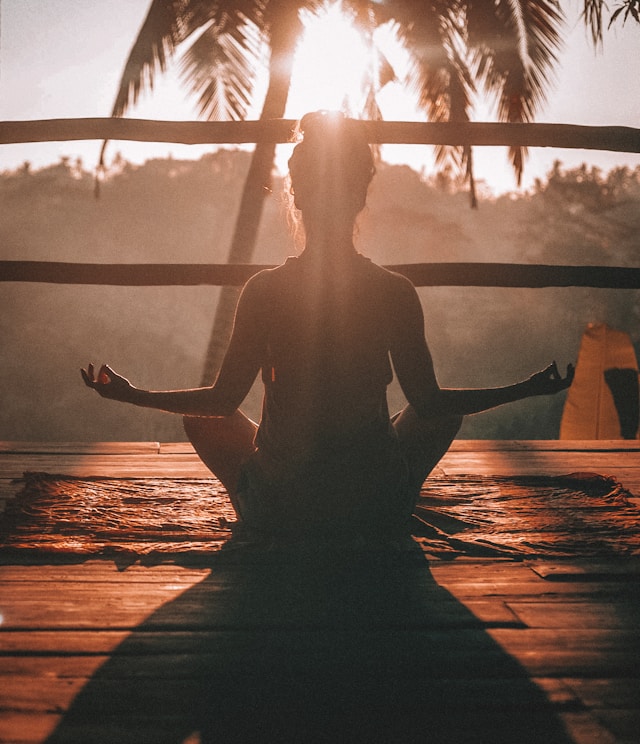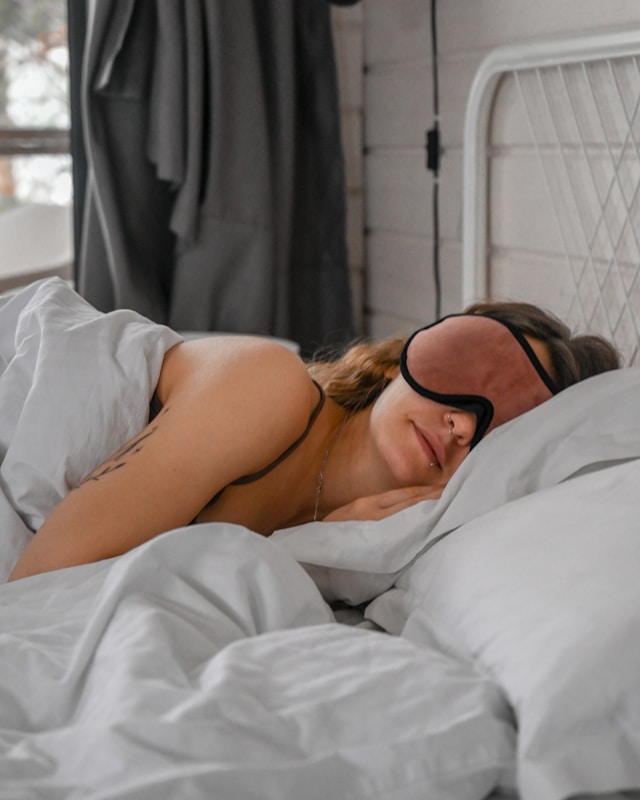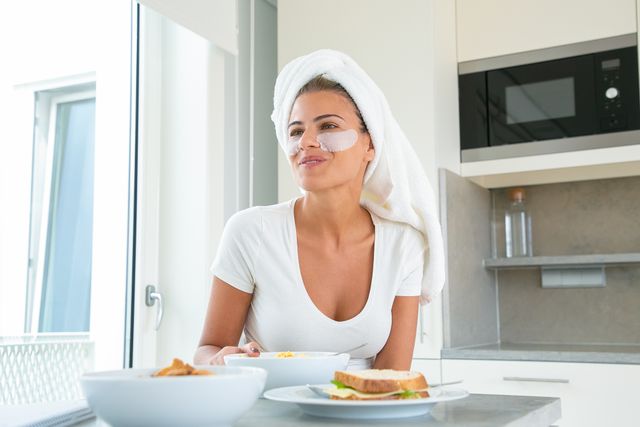
You wake up to a blaring alarm, grab a quick coffee, and race straight into a packed schedule of work emails, family demands, and endless household chores. By the time evening arrives, you feel completely drained, with barely enough energy left to relax before repeating the whole cycle tomorrow. You know you need to slow down, but finding time for yourself feels nearly impossible when life is already so busy.
If you are constantly putting everyone else’s needs before your own, building a sustainable self-care routine beginners can easily stick to is the ultimate game-changer. Taking care of your well-being is not a selfish luxury or a trendy aesthetic reserved for quiet weekends. It is a vital, everyday practice that protects your energy, calms your nervous system, and helps you handle life’s challenges with ease.
In this warm and realistic guide, you will learn how to build a personalized self-care practice without feeling overwhelmed. We will break down the true meaning of self-care using simple, jargon-free language. You will receive practical, step-by-step strategies designed for busy schedules, allowing you to restore your balance and feel like yourself again.
What Is Self-Care?
To build a routine that actually lasts, we must first define self-care in clear, plain English that anyone can understand. Self-care is any deliberate action you take to protect your physical, mental, and emotional health on a regular basis. It is not about buying expensive spa products or spending hours away from your daily responsibilities.
Think of your personal energy like the battery inside your everyday smartphone. If you run multiple demanding applications all day long without plugging your phone into a charger, the screen will eventually go black. Self-care is simply the act of plugging your body and mind into a power source before your internal battery hits zero percent.
According to educational health materials published by the Mayo Clinic, engaging in regular self-care activities significantly lowers chronic stress and prevents physical burnout (Mayo Clinic, 2024). It is a proactive health habit that keeps your immune system strong and your emotions stable. Practicing self-care means learning to honor your personal limits so you can show up fully for the people and activities you love.
Signs and Symptoms
When you neglect your personal needs for too long, your body and mind send clear warning signals that your battery is empty. Here is a scannable list of key indicators that show you urgently need to start a consistent self-care routine:
- Constant Physical Exhaustion: You wake up feeling tired even after spending seven or eight full hours resting in bed.
- Short-Tempered Irritability: You snap quickly at family members, friends, or workplace coworkers over minor daily inconveniences.
- Persistent Brain Fog: You struggle to focus on simple work tasks, make basic choices, or remember key details.
- Frequent Tension Headaches: You experience tight shoulders, jaw clenching, or persistent headaches caused by stored stress.
- Loss of Personal Joy: Activities and hobbies that used to make you feel happy now feel like burdensome chores.
- Disrupted Sleep Architecture: You struggle to fall asleep or wake up repeatedly throughout the night with racing thoughts.
- Digestive Irritation: You experience sudden stomach upsets, bloating, or changes in appetite linked to ongoing daily pressure.
- Feeling Overwhelmed by Small Tasks: Standard household duties or simple daily emails trigger a sudden urge to shut down completely.
The Pillars of Wellness: Physical, Emotional, and Mental Balance
Many busy adults across the USA and UK believe that self-care only means taking a warm bath or getting a massage. While physical relaxation is wonderful, true personal care rests on three core foundational pillars that support your overall health. Balancing these three pillars creates a strong internal defense against daily burnout and stress.

According to public statistics released by the Centers for Disease Control and Prevention (CDC), addressing daily lifestyle factors across physical and mental health reduces long-term stress risks (CDC, 2024). The first pillar is physical self-care, which includes feeding your body nutrient-dense whole foods, staying hydrated, getting light movement, and protecting your rest. When your body feels physically nourished, your central nervous system stays grounded.
The second and third pillars focus on emotional and mental self-care, which governs how you process thoughts and feelings. Mental self-care involves setting healthy workplace boundaries, limiting negative news, and engaging in stimulating brain activities. Emotional self-care means giving yourself permission to feel your emotions, practicing self-compassion, and reaching out to supportive friends when life gets tough.
Balancing all three pillars ensures that you treat the root causes of exhaustion rather than just masking your symptoms. When these areas work together in harmony, your threat center drops its guard, allowing you to live with greater peace and focus.
Overcoming Self-Care Guilt: Shifting Your Mindset
The single largest obstacle facing beginners is the persistent feeling of guilt when taking time for themselves. In today’s fast-paced society, you may feel pressured to stay productive every single minute of the day. You might tell yourself that sitting quietly for fifteen minutes is wasteful when there are dishes to wash or emails to answer.
Research publications from the American Psychological Association (APA) demonstrate that continuous work without restorative breaks leads directly to mental exhaustion and decreased focus (APA, 2025). Taking time to recharge is not a selfish act; it is a necessary health requirement. When you ignore your own needs, you eventually run out of energy, which makes it much harder to care for your family or perform well at work.
Reframing self-care as an essential maintenance habit changes your entire perspective. Just as you would not expect your car to run forever without changing the oil or adding fuel, you cannot expect your body to function without rest. Giving yourself permission to pause restores your emotional reserves so you can give your best self to others, rather than just what is left over.
The Micro-Step Framework: How to Build Habits That Last
When starting a new wellness routine, the biggest mistake beginners make is trying to overhaul their entire life overnight. Attempting to execute a two-hour morning routine, cook complex meals, and exercise every day usually leads to frustration and failure. The secret to long-term success is starting with tiny, manageable habits known as micro-steps.
A micro-step is a positive self-care action that takes five minutes or less to complete. Because micro-steps require very little time and willpower, your brain does not perceive them as difficult or threatening. Over time, these small daily actions stack together, creating massive improvements in your mental and physical health without disrupting your busy schedule.
To create a successful micro-step routine, try using a habit-building technique called “habit stacking.” Pair a new five-minute self-care action with an existing daily habit you already do without thinking. For example, practice deep belly breathing while your morning coffee brews, or write down three things you are grateful for right after brushing your teeth.
5 Simple Self-Care Micro-Steps for Busy Schedules
Here are five practical micro-steps that fit easily into even the most demanding workday, helping you reset your mind and body instantly:
- The 3-Minute Window Breath: Sit quietly in your chair, look out a window at the natural sky, and take ten slow, deep breaths to quiet your mind.
- The Hydration Reset: Drink a full glass of cold, fresh water first thing in the morning before reaching for your smartphone or checking work messages.
- The Midday Stretch Pause: Stand up from your office desk every two hours to roll your shoulders back and stretch your neck to release physical tension.
- The Evening Gratitude Note: Write down one small win or positive moment from your afternoon in a small notebook beside your bed before turning off the light.
- The Digital Boundary Break: Turn off all work-related notifications 30 minutes before eating dinner to allow your brain to exit workplace stress mode.
Practical Tips to Start Today

Starting your new wellness journey should feel simple, exciting, and completely stress-free. Here are eight actionable tips you can use right now to build a lasting self-care habit:
- Pick Just One Micro-Step: Choose a single five-minute action from this guide and commit to practicing it daily for one full week.
- Schedule Self-Care on Your Calendar: Treat your personal self-care time like a non-negotiable doctor’s appointment by blocking off ten minutes on your daily schedule.
- Create a Peaceful Environment: Set up a clean, quiet corner in your living room or bedroom dedicated to reading, stretching, or relaxing.
- Practice Saying No Politely: Protect your personal energy by declining non-essential tasks or social invitations that leave you feeling overwhelmed.
- Ditch the All-or-Nothing Mindset: If you miss a day of your routine, treat yourself with kindness and simply resume your practice tomorrow without guilt.
When to Seek Professional Help
Please always remember that reaching out for medical or professional guidance is a sign of true strength and self-awareness. While building a self-care routine provides a strong foundation for daily health, it is not a replacement for professional mental healthcare. If you experience persistent feelings of hopelessness, severe daily panic, or burnout that makes it impossible to function, reach out for care immediately.
Your primary care physician, a registered counselor, or a licensed mental health professional can provide personalized support tailored to your life. Guidelines from the National Health Service (NHS) highlight that early therapeutic support prevents chronic stress from turning into severe health issues (NHS, 2025). Connecting with a licensed counselor through supportive virtual platforms like BetterHelp or local health clinics can give you expert tools to heal and thrive.
Frequently Asked Questions
How much time do I realistically need to spend on self-care each day for it to actually work?
You do not need hours of free time; starting with just 5 to 15 minutes of intentional self-care daily produces real psychological benefits. Consistency is far more important than duration when training your central nervous system to relax.
What should I do if my family members or coworkers make me feel guilty for taking personal time?
Gently explain to your loved ones that taking a few minutes to recharge helps you be a healthier, calmer, and more supportive parent, partner, or coworker. Setting calm, clear boundaries teaches others to respect your health needs while setting a positive example.
Is it expensive to maintain a proper self-care routine as a beginner?
Absolutely not; true self-care costs nothing because it centers on basic habits like deep breathing, drinking water, going for walks, and getting adequate rest. You do not need to purchase luxury products or spa memberships to care for your mind and body.
What is the best time of day for a busy person to schedule their self-care micro-steps?
The best time is whichever window fits most naturally into your existing daily routine without creating extra rush or stress. Many busy adults find that early mornings before the house wakes up or late evenings before bed offer the quietest moments.
Conclusion
Starting a self-care routine beginners can count on comes down to three key lessons: self-care is a basic health need rather than a luxury, small micro-steps build lasting habits without stress, and protecting your energy allows you to care for others. By choosing to practice just one five-minute self-care habit today, you are actively taking back control of your well-being.
A peaceful, balanced, and vibrant life where you feel energized and supported is completely within your reach. Be proud of yourself for taking this powerful first step toward prioritizing your mental and physical health today.