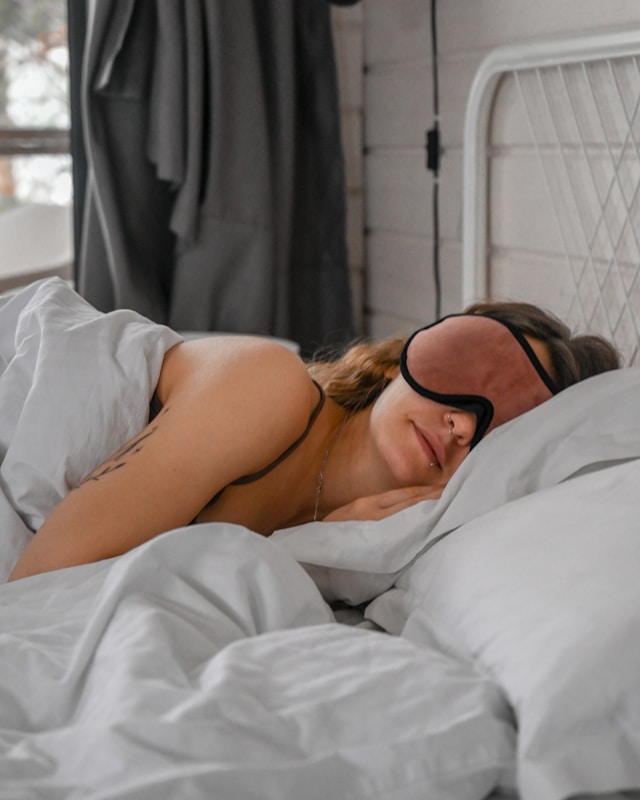
You are lying in bed at night, winding down after a long day, when you suddenly notice a slight twinge in your chest or a strange muscle flutter in your arm. Instantly, your heart begins to race, your palms sweat, and your mind surges into panic mode. Within seconds, you are on your smartphone typing symptoms into search engines, falling down a terrifying internet rabbit hole that convinces you the worst is happening.
If this overwhelming cycle of body checking and health fear sounds familiar, understanding health anxiety signs and tips to regain control can change your life. Health anxiety—historically referred to as hypochondriasis—is a deeply exhausting condition where normal body sensations get misinterpreted as severe illnesses. It tricks your mind into believing your physical body is constantly under attack.
In this warm and empathetic guide, we will break down why your mind and body create these intense physical sensations without using confusing medical jargon. You will learn the exact biological mechanics behind body scanning, how health fears trick your brain, and practical strategies to break free from continuous health checking. Most importantly, you will discover that you can feel safe in your body once again.
What Is Health Anxiety?
To overcome continuous health fears, we must first define health anxiety using clear, simple English that an eighth grader can easily understand. Health anxiety is an overwhelming fear or worry that you have, or are developing, a serious medical condition. It causes you to hyper-focus on normal daily bodily functions, such as your heartbeat, digestion, skin marks, or muscle twitches.
Think of your brain’s alarm system like a hyper-sensitive home smoke detector mounted in a small kitchen. When your alarm system works normally, it only sounds when there is an actual fire. However, with health anxiety, the smoke detector goes off loudly every single time you boil water or toast a slice of bread, confusing harmless steam for a real emergency.
According to research publications shared by the Mayo Clinic, health anxiety involves a persistent misinterpretation of bodily sensations that creates real, severe physical distress (Mayo Clinic, 2024). It is not imaginary; your physical feelings are genuine, but the scary story your brain tells you about those sensations is inaccurate. Recognizing this internal misinterpretation is your very first step toward finding lasting peace.
Signs and Symptoms
When health anxiety takes over your daily life, it triggers both emotional patterns and physical sensations. Here is a scannable list of clear warning signs that show health worry is driving your internal alarm system:
- Compulsive Cyberchondria: You spend hours every day searching online symptom checkers to self-diagnose minor physical twitches or sensations.
- Frequent Body Scanning: You constantly press on your stomach, check your pulse, or inspect your skin in the mirror for changes.
- Reassurance-SeekingReassurance Seeking Cycles: You repeatedly ask family members, partners, or doctors for confirmation that you are completely healthy and fine.
- Avoidance of Medical Content: You actively avoid watching health news, reading medical articles, or visiting hospitals out of intense fear.
- Doctor Hopping or Doctor Avoidance: You either schedule constant medical appointments for reassurance or avoid doctors entirely out of fear of bad news.
- Misinterpreting Normal Body Noise: You view normal gurgling, muscle twitches, or temporary headaches as clear proof of a dangerous disease.
- Panic Caused by Body Awareness: Noticing your own heartbeat or natural breathing pattern triggers a sudden rush of intense panic.
- Disturbed Sleep Architecture: You lie awake for hours hyper-focused on internal sensations, leading to broken, unrefreshing sleep.
The Vicious Cycle of Health Anxiety: Why Symptoms Feel So Real
Many adults across the USA and UK feel confused because their health anxiety symptoms feel intensely real, physical, and scary. You might wonder how a mental worry could create genuine dizziness, chest tightness, or tingling in your fingers. The secret lies in the biological connection between your threat center and your physical body.

According to health guidelines published by the Centers for Disease Control and Prevention (CDC), chronic psychological stress triggers genuine physical reactions throughout your muscular and cardiovascular systems (CDC, 2024). When your brain perceives a physical threat, it activates your sympathetic nervous system, releasing cortisol and adrenaline. These hormones cause your blood vessels to constrict, your muscles to tighten, and your breathing to become shallow.
hyper-vigilance, youWhen you focus intently on a specific body part, a process called hyper-vigilance—you increase your nervous system’s sensitivity in that exact area. If you stare at your hand and focus on it for two straight minutes, you will naturally start to notice tingling or warmth. Your hyper-focused attention amplifies harmless physical noise, creating real sensations that feed back into your original health fears.
Breaking the Reassurance Loop and Cyberchondria
The most common trap for anyone struggling with health anxiety is the continuous hunt for reassurance. When panic strikes, searching your symptoms online or asking a loved one for comfort provides an immediate, temporary drop in anxiety. However, this relief quickly fades, leaving you needing even more reassurance the next time a strange sensation appears.
Clinical guidelines from the American Psychological Association (APA) demonstrate that repeated reassurance-seeking actually strengthens anxiety over time by keeping your brain focused on potential threats (APA, 2025). Online search engines use algorithms designed to show dramatic possibilities, which almost always highlights rare, worst-case medical scenarios. This practice—often called cyberchondria—directly fuels your threat center.
To break this vicious loop, you must gradually reduce how often you search for symptoms and seek reassurance. Delaying an online search by just fifteen minutes teaches your brain that health worries are not immediate emergencies. Over time, resisting the urge to search online retrains your nervous system to tolerate uncertainty and self-soothe naturally.
The Cognitive Reframing Method for Body Noise
Learning to handle uncomfortable body sensations without panicking requires a structured approach. Resilient individuals use cognitive reframing to change how they talk to themselves when a strange physical sensation occurs. Follow this clear, four-step process to process body noise calmly whenever health fears strike:
1. Pause and name the sensation objectively: Step 1.
Notice the physical feeling in your body and describe it without emotional words (e.g., “My shoulder muscle is fluttering” instead of “Something is terribly wrong”).
2. Identify the underlying anxiety trigger: Step 2.
Acknowledge that your hyper-vigilant threat center is currently active and misinterpreting harmless internal physical noise as a danger.
3. Offer a neutral, realistic alternative explanation: Step 3.
Remind yourself of simple, everyday reasons for the feeling, such as muscle fatigue, poor posture, caffeine, stress, or normal digestion.
4. Engage in an absorbing, grounding activity: Step 4.
Shift your physical attention away from your body by focusing fully on an external activity, such as washing dishes, walking, or calling a friend.
Practical Tips to Start Today
Overcoming health anxiety is a step-by-step journey that relies on simple, daily habits to calm your nervous system. Here are eight practical, evidence-based tips you can use right now to stop health worrying:
- Set a Daily Search Ban: Create a strict rule prohibiting online medical searches; replace search apps with relaxation or game apps on your phone.
- Institute the 24-Hour Wait Rule: When you notice a non-emergency sensation, commit to waiting 24 hours before calling a doctor or seeking reassurance.
- Practice Somatic Grounding Breathwork: Use slow, deep belly breathing to signal immediate physical safety to your central nervous system when panic flares.
- Schedule Dedicated “Worry Time”: Allow yourself ten minutes each afternoon to write down health fears, keeping the rest of your day worry-free.
- Focus on External Sensations: Shift your focus outward by listing five things you see, four you can touch, three you hear, two you smell, and one you taste.
- Limit Daily Stimulants: Reduce your intake of caffeine and sugar, which mimic physical anxiety symptoms like a racing heart or muscle jitters.
When to Seek Professional Help
Please always remember that reaching out for professional medical or therapeutic support is a profound sign of strength, self-care, and courage. While applying self-help strategies offers tremendous relief, health anxiety can sometimes feel too heavy to carry entirely on your own. If health fears make it impossible to work, care for your family, or enjoy daily life, expert guidance can help you heal.
According to public healthcare information from the National Health Service (NHS), Cognitive Behavioral Therapy (CBT) is one of the most effective treatments for health anxiety (NHS, 2025). CBT teaches you how to identify unhelpful thought patterns and systematically reduce body-checking behaviors. Reaching out to your primary care physician or connecting with a licensed therapist through platforms like BetterHelp provides compassionate, tailored support designed to help you feel safe in your body again.
Frequently Asked Questions
Can health anxiety actually cause real physical pain and symptoms in my body even if I am not physically sick?
Yes, health anxiety causes your brain to release stress hormones that directly trigger real physical symptoms like muscle pain, dizziness, stomach cramps, and chest tightness. According to medical resources on WebMD, high stress levels alter how your brain processes pain signals, amplifying minor sensations into genuine discomfort (WebMD, 2024).
How can I tell the difference between a real medical emergency and a physical symptom caused by health anxiety?
Genuine medical emergencies typically present with severe, sudden, or disabling symptoms—such as sudden weakness, severe chest-crushing pain, or high fever—that require urgent medical care. Anxiety-driven symptoms often shift around the body, peak during moments of focus, and lessen when your mind is deeply distracted by an external activity.
Should I completely stop going to the doctor if I know I have severe health anxiety?
No, you should not stop seeing your doctor; instead, establish a healthy relationship with one primary care provider and schedule routine, annual checkups. Having a single trusted doctor perform regular wellness exams allows you to rely on their professional judgment rather than booking unnecessary emergency visits.
Conclusion
In summary, understanding health anxiety signs and tips comes down to three fundamental truths: health anxiety amplifies harmless body noise, cyberchondria keeps your threat center trapped in fear, and cognitive reframing restores inner calm. By choosing to stop online searches and practicing gentle grounding today, you are actively reclaiming your emotional freedom and peace of mind.