

You are standing in the middle of a busy grocery store after a long afternoon at your workplace. All suddenly the lights are way too bright, the sounds around you are intensely loud and afa wave of panic runs through your whole body. Your heart begins pounding wildly against your ribs and your chest feels incrediblytiIn that terrifying moment, you just want a simple, reliable way to stop the uncomfortable feelings andground your frantic mind.
Frustrating, feeling utterly helpless and alone when you have a sudden bout of extreme stress, forest of the world. Luckily, you can learn to interrupt this stressful physical reaction and return to full controll over your mind and body An incredibly powerful skill to have is knowing exactly how to calm anxiety fastccompletely change your everyday life.
In this helpful guide, we’ll break down the absolute best ways to ease sudden waves of severe panic in a safe way. You’ll learn to identify the physical signs your body gives when it feels totally overwhelmed by stress. Finally,, we will present fifteen quick, practical techniques that can easily bring you back to a state of total emotional safety.
What Is Acute Anxiety?
Acute anxiety is a very intense burst of worry that comes on suddenly and takes over your whole body. That’s very different from typical everyday stress, which accumulates over days or weeks. Instead, sharp panic hits all at once and feels like a huge wave crashing overhead.
To understand what is happening, think of your brain as a very complicated computer system running an emergency safety program. When your brain senses danger, it kicks in a special system called the sympathetic nervous system. This activation floods your blood immediately with stress hormones like adrenaline to get you ready for danger. “This is a physical reaction meant to keep you alive in real emergencies,” according to recent clinical guidelines published by the American Psychological Association.
But your brain doesn’t always know the difference between a real physical threat and everyday workplace stress. During a casual conversation or a long drive, the internal alarm system can be easily triggered. When this happens, your body goes into fight-or-flight mode and changes the way you breathe, see, and think.
Signs and Symptoms
Your health depends on noticing the physical and emotional changes that come with a sudden rush of panic. The most common signs that your nervous system is completely overloaded with stress:
- Pounding Heartbeat: Your heart beats incredibly fast or feels like it is jumping around inside your chest cavity.
- Rapid Shallow Breathing: You find yourself taking short, quick gasps of air from your chest rather than your belly.
- Cold Sweat: Your palms feel instantly damp, and a chilly sweat breaks out across your forehead or neck.
- Shaking Hands: Your fingers and legs tremble uncontrollably, making it very difficult to hold items steadily.
- Dizziness and Lightheadedness: You feel unsteady on your feet and worry that you might pass out.
- Tightness in Throat: It feels like you have a large lump in your throat that makes swallowing difficult.
- Chills or Hot Flashes: Your skin suddenly feels boiling hot or freezing cold within a matter of seconds.
- A Feeling of Dread: A heavy, dark thought tells you that something absolutely terrible is about to happen.
Immediate Somatic Tools for Nervous System Relief

You can’t just tell your mind to relax when you are in the middle of a bad panic spiral. Your brain is in survival mode for a little bit, and you need to use your physical body to show it that you are safe. Somatic techniques work directly on your physical reactions to turn off the internal alarm.
A very quick way to calm your nervous system is to cool down your body temperature very quickly. You can do this by splashing freezing cold water on your face or holding a cold ice pack tightly in your hands. This simple physical action triggers a natural reflex that instantly slows your heart rate down.
Trying a routine of intentional muscle relaxation is another good physical option. Make your fists as tight as possible for five seconds and feel the tightness. Open your fingers all the way. Do this with your shoulders, arms and feet to help shake off the heavy physical stress. These physical acts provide your brain with clear evidence that you are not in any real danger.
Cognitive Reframing Methods to Interrupt Panic Spirals
Once you have begun to settle your physical body, you can begin to work on your racing thoughts. A really bad panic attack will make your brain lie to you about your physical safety . It might tell you that you are having a serious medical emergency or that you are losing your complete mind.
You need to look at your thoughts with absolute logic and compassion to break this negative cycle. To distract yourself from your fears, you can try a simple mental exercise called the 5-4-3-2-1 grounding technique. Look around your room and take your time to name five things you can see, four things you can touch, three things you can hear, two things you can smell and one thing you can taste.
This simple exercise requires your brain to focus on your physical environment rather than your internal worries. It snaps the endless cycle of scary thoughts and stops the panic from spiraling. Remind yourself that feelings are not facts and that these unpleasant sensations will subside in time.
Long-Term Lifestyle Habits to Prevent Sudden Stress
It’s great to know how to handle a sudden panic, but it’s better to build a calm lifestyle that prevents the episodes from happening in the first place. It’s the particular choices you make each and every day that determine how well your mind handles sudden pressure. When your body is constantly tired, your inner alarm system becomes very sensitive.
According to NHS long-term health statistics, people who prioritize regular self-care have significantly fewer panic episodes in the long term. Staying active, eating well and getting good sleep are all important for a strong, well-balanced brain.
- Mindful Movement: Burn off those extra stress chemicals that build up in your muscles with a 20-minute walk each day.
- Blood Sugar Balance: Eating regularly can help to prevent sudden dips in blood sugar which can cause a feeling of panic.
- Mindfulness practices – A few minutes of silent meditation in the morning trains your brain to stay centered.
Treat your body with kindness and consistency and you will build a strong defence against sudden emotional storms. You will find that you will be able to deal with the daily challenges with much more ease and confidence.
Practical Tips to Start Today
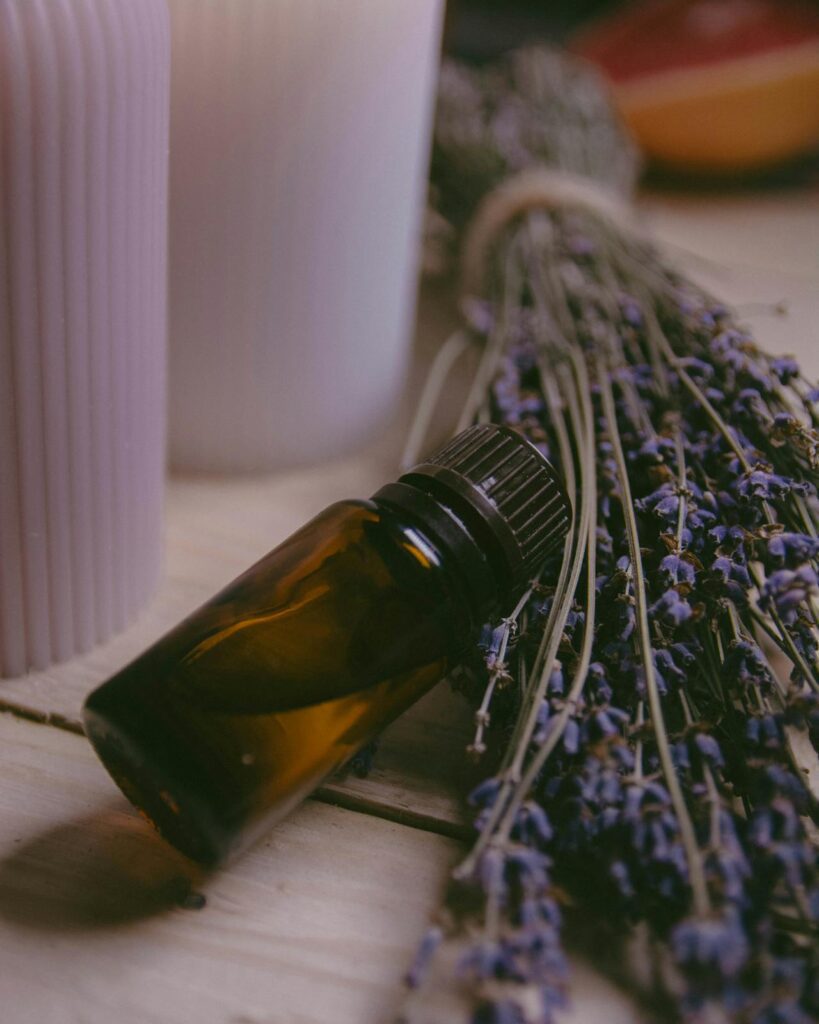
You can easily build your own personal anxiety rescue toolkit by practicing these fifteen effective daily techniques:
- Splash Cold Water: Wash your face with icy water to instantly slow down a racing pulse.
- Try Box Breathing: Inhale for four seconds, hold for four, exhale for four, and hold empty for four.
- Lengthen Your Exhales: Make your sighs out twice as long as your inhales to settle your nerves.
- Use the 5-4-3-2-1 Method: Name objects around your room to pull your focus back to reality.
- Hold onto an Ice Cube: Focus completely on the cold sensation in your palm to stop scary thoughts.
- Stomp Your Feet: Ground yourself by pressing your feet firmly into the floor beneath you.
- Squeeze a Stress Ball: Use physical objects to channel your extra nervous energy away from your chest.
- Repeat a Calming Phrase: Say a gentle statement like “I am safe, and this feeling will pass.”
- Wrap Yourself in Warmth: Use a heavy blanket or a warm coat to feel physically secure.
- Listen to Calming Music: Play peaceful nature sounds or soft melodies to soothe your hearing.
- Smell Lavender Oil: Inhale a relaxing scent to instantly quiet the emotional centers of your brain.
- Shake Out Your Limbs: Gently shake your hands and legs to release tight muscle energy.
- Count Backward by Sevens: Give your brain a tricky math task to distract it from worry.
- Drink a Warm Beverage: Sip a cup of herbal tea slowly to soothe your digestive system.
- Step Outside for Air: Walk outdoors to feel the fresh wind and see a wider perspective.
When to Seek Professional Help
Please always remember that asking for support is an incredible act of courage, not a sign of personal weakness. If sudden waves of worry are making it hard to work, travel, or enjoy life, professional guidance can help.
Working with a professional therapist can provide you with a safe space to understand your specific triggers. You can easily discuss your struggles with a family doctor or find a licensed counselor through online networks like BetterHelp. If you want to learn more about long-term recovery tools, feel free to read our comprehensive article on [how to overcome anxiety]. With the right team behind you, you can successfully navigate these challenges and build a life filled with genuine peace.
Frequently Asked Questions
No, a panic attack isn’t dangerous, but the physical sensations are very intense and scary. Your body is just running a temporary safety program, and your heart is perfectly capable of handling the brief increase in rate.
Caffeine is a powerful stimulant that makes your heart beat faster and your breathing quicken. These physical changes are similar to the early stages of a panic attack which can easily fool your brain into feeling unsafe.
Most serious attacks peak in 10 minutes, then taper off slowly. Your body simply runs out of adrenaline after a short period of time and your systems can return to normal.
Stay calm, make eye contact and ask them to breathe in and out deeply and slowly with you. Reassure them that they are safe and you are right there and avoid telling them to calm down.
Conclusion
In conclusion, it is definitely possible to learn how to manage sudden panic if you have the right physical and mental toolkit. There are three most essential steps that you need to do – cool down your physical system, ground your thought with your senses and maintain supportive daily habits. With these 15 proven options, you can create your own personal toolkit to handle unexpected stress with total confidence.
These struggles are temporary and there is a beautiful peaceful life waiting for you on the other side of them. Do something today to protect your mental wellness and inner peace and be super proud of yourself for doing so. If you enjoyed these techniques, please share this article with a friend and comment below with your favorite way to relax.